The Importer's Guide to Red Bull Formulations: Austrian, Thai, and Vietnamese Variants for the GCC Market
A deep dive into the logistics, compliance, and wholesale sourcing of Red Bull variants (Krating Daeng, Vietnamese Gold, Austrian 250ml) for the Middle East.

Table of Contents
Direct Answer: Importing wholesale Red Bull to the GCC requires navigating complex parallel import laws and agency monopolies. A standard 20ft container holds approximately 3,200 trays (24 cans of 250ml per tray) of the Austrian formulation, while Asian variants like Thai Krating Daeng have different palletization structures and distinct formulation approvals (e.g., non-carbonated).
The energy drink market in the GCC is highly lucrative but fraught with regulatory hurdles. Wholesale distributors looking to supply supermarkets, cafeterias, and labor camps must understand the distinct differences between European and Asian Red Bull formulations, as well as the compliance required to import them legally.
Understanding the Variants: Austrian vs. Thai (Krating Daeng)
Red Bull exists in several distinct global formulations, each tailored to specific market palates and price points.
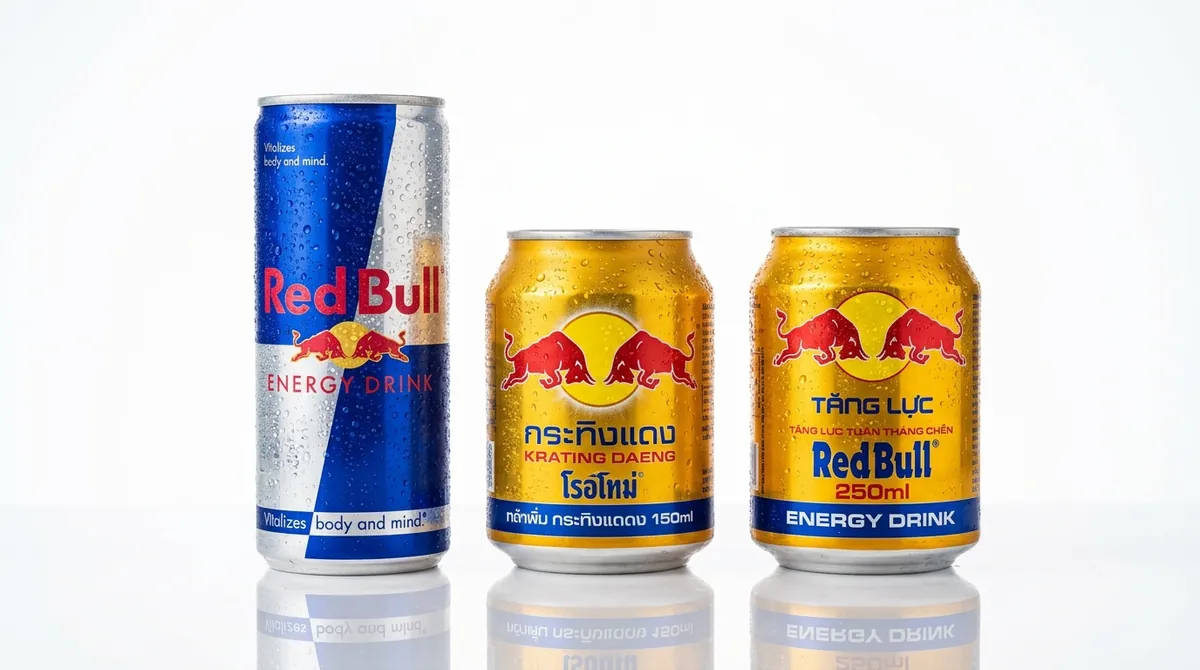
- Austrian Red Bull (Blue & Silver Can): The globally recognized, carbonated energy drink. It commands the highest wholesale price and is subject to strict regional distribution monopolies in the UAE and Saudi Arabia.
- Thai Red Bull (Krating Daeng): A sweeter, non-carbonated variant sold in shorter gold cans or glass bottles. It is highly popular among the South Asian and Southeast Asian expatriate workforce in the GCC.
- Vietnamese Red Bull (Gold Can): Similar in formulation to the Thai version but often manufactured with distinct labeling and slightly different taurine-to-caffeine ratios.
Parallel Imports and GCC Customs Compliance
Importing FMCG (Fast-Moving Consumer Goods) brands like Red Bull into markets like the UAE requires strict adherence to commercial agency laws. If a local distributor holds the exclusive agency rights for the Austrian formulation, parallel imports (the “grey market”) can face severe customs delays or confiscation if not routed through proper free-zone channels or re-export protocols.
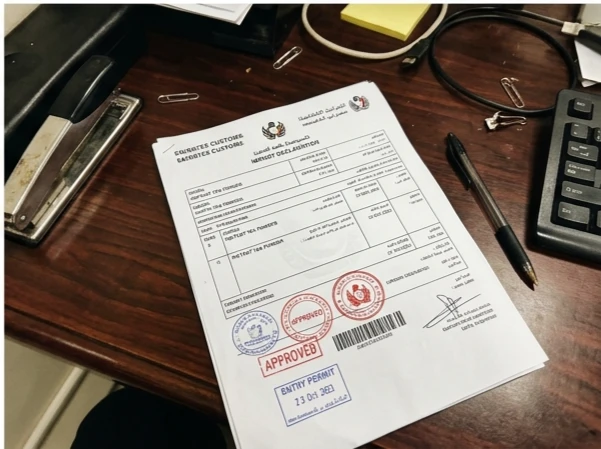
Furthermore, all energy drinks entering the GCC must possess dual-language (Arabic/English) ingredient stickers. For the Asian variants, this often requires third-party labeling facilities prior to final customs clearance.
Container Logistics and Palletization
When calculating freight margins, volume efficiency is paramount. For the standard Austrian 250ml cans:
- 1 Tray: 24 Cans
- 1 Pallet (Euro): 108 Trays (typical configuration)
- 1x 20ft Container: ~3,200 Trays (hand-loaded without pallets to maximize space) or ~2,592 Trays (palletized).
Thai and Vietnamese variants, utilizing different can geometries, require separate freight calculations to ensure the container is loaded to its maximum weight and volume capacity.
Sourcing with Global Bridge Trading
Global Bridge Trading provides secure, compliant procurement channels for high-volume FMCG products. We specialize in navigating the complex documentation, labeling requirements, and freight logistics required to land wholesale energy drinks safely in the GCC.