
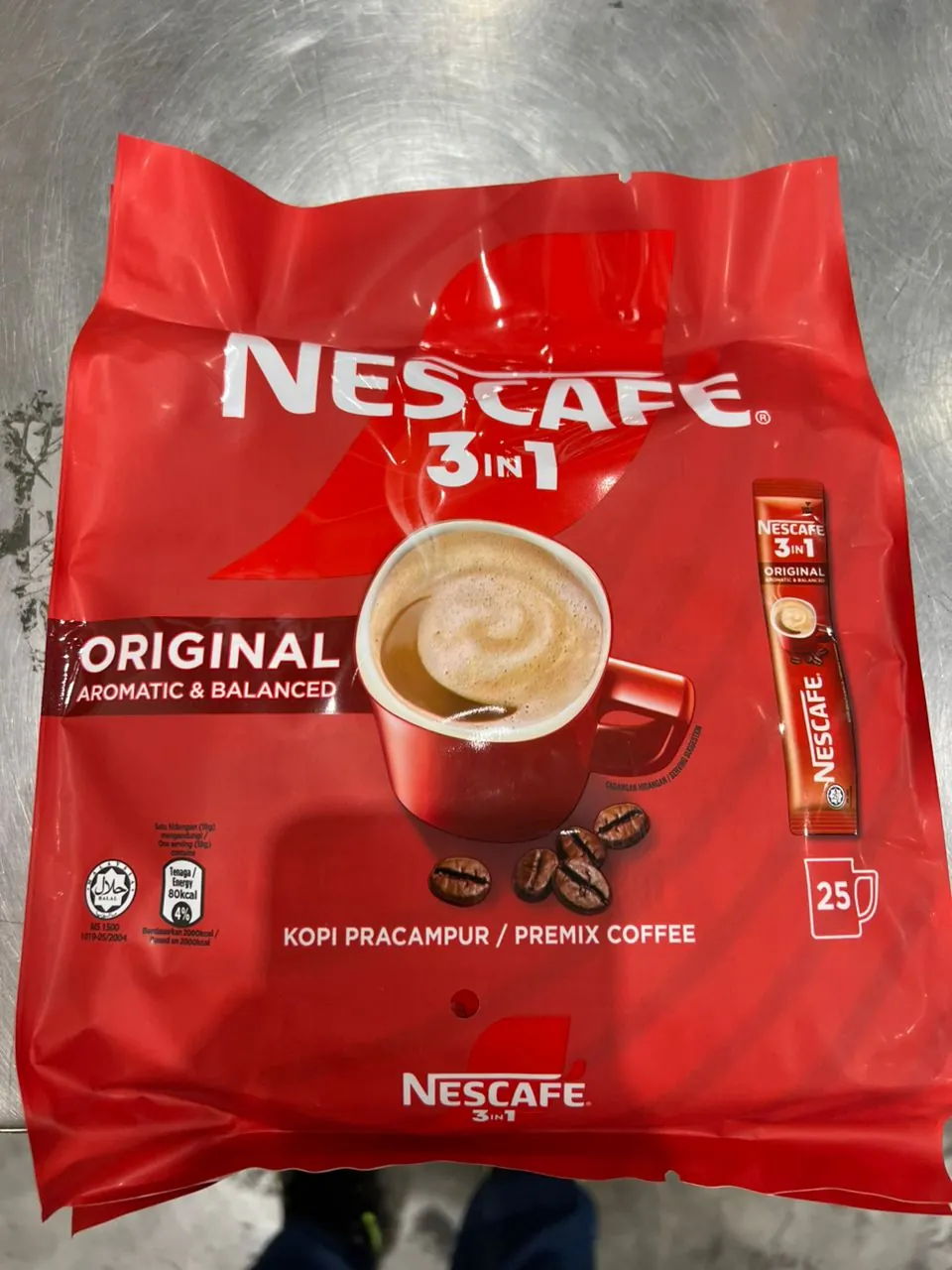
Sourcing Nescafe 3-in-1 for the Middle East: FIRS Compliance, Carton Logistics, and Origin Pricing
A B2B guide for importing bulk Nescafe 3-in-1 instant coffee into the GCC, focusing on Dubai Municipality FIRS registration and palletization margins.

Table of Contents
Direct Answer: Importing Nescafe 3-in-1 wholesale to the UAE requires mandatory product registration through the Dubai Municipality FIRS (Food Import & Re-export System). Procurement officers routinely source from alternative origins like Egypt or Malaysia rather than Europe to secure better FOB pricing and optimize margin spreads on 20ft container logistics.
The FMCG coffee market in the Middle East is dominated by instant formats, with Nescafe 3-in-1 commanding significant market share in retail, cafeteria, and labor camp sectors. For B2B importers, success relies entirely on volume logistics and strict regulatory compliance.
Dubai Municipality FIRS Registration
Before a single master carton of coffee can clear Jebel Ali port, the specific SKU must be registered with the Food Import & Re-export System (FIRS).
Because Nescafe 3-in-1 is produced in multiple global facilities (Egypt, Malaysia, Indonesia, Europe), the barcode, ingredient list, and Arabic labeling must precisely match the origin factory’s specifications. A formulation from Malaysia may contain slightly different emulsifiers than one from Egypt; customs will reject the shipment if the physical label does not perfectly align with the FIRS digital dossier.
Origin Pricing: Egypt and Malaysia vs. Europe
Savvy wholesale distributors bypass European sourcing for instant coffee. Procuring Nescafe 3-in-1 from manufacturing hubs in Egypt or Southeast Asia (Malaysia/Indonesia) provides two massive advantages:
- Reduced FOB Pricing: Lower regional manufacturing and labor costs directly translate to better bulk pricing per master carton.
- Freight Proximity: Shipping routes from Egypt (via the Red Sea) or Malaysia offer highly competitive freight rates to the GCC compared to Northern European ports.
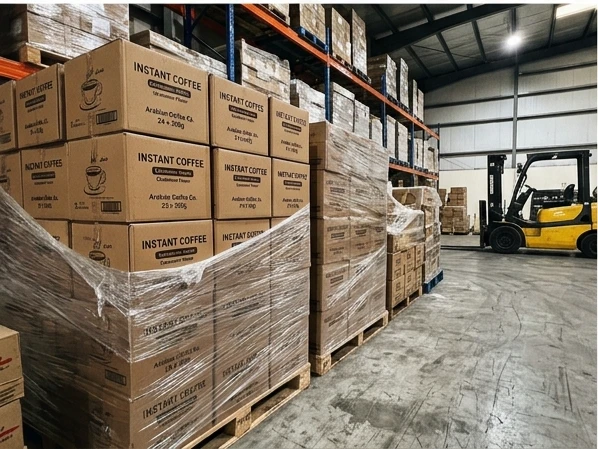
Master Carton Logistics and Freight Calculation
Wholesale coffee margins are calculated by the millimeter. Understanding the dimensions of the master carton (typically containing 24 or 30 bags of 30 stick sachets) is critical for maximizing container yield.
- Standard 20ft Container: Can hold roughly 1,200 to 1,500 master cartons depending on whether the shipment is palletized or “floor-loaded” (hand-stacked to utilize every inch of vertical space).
- Shelf Life Considerations: Instant coffee generally carries an 18 to 24-month shelf life. Importers must ensure the product arrives with at least 75% of its shelf life remaining to comply with GCC retail distribution standards.
Sourcing with Global Bridge Trading
Global Bridge Trading mitigates the risks of FMCG parallel imports. We navigate the FIRS registration complexities, ensure Arabic labeling compliance at the origin port, and negotiate the optimal freight routing from high-value manufacturing hubs directly to your GCC distribution center.