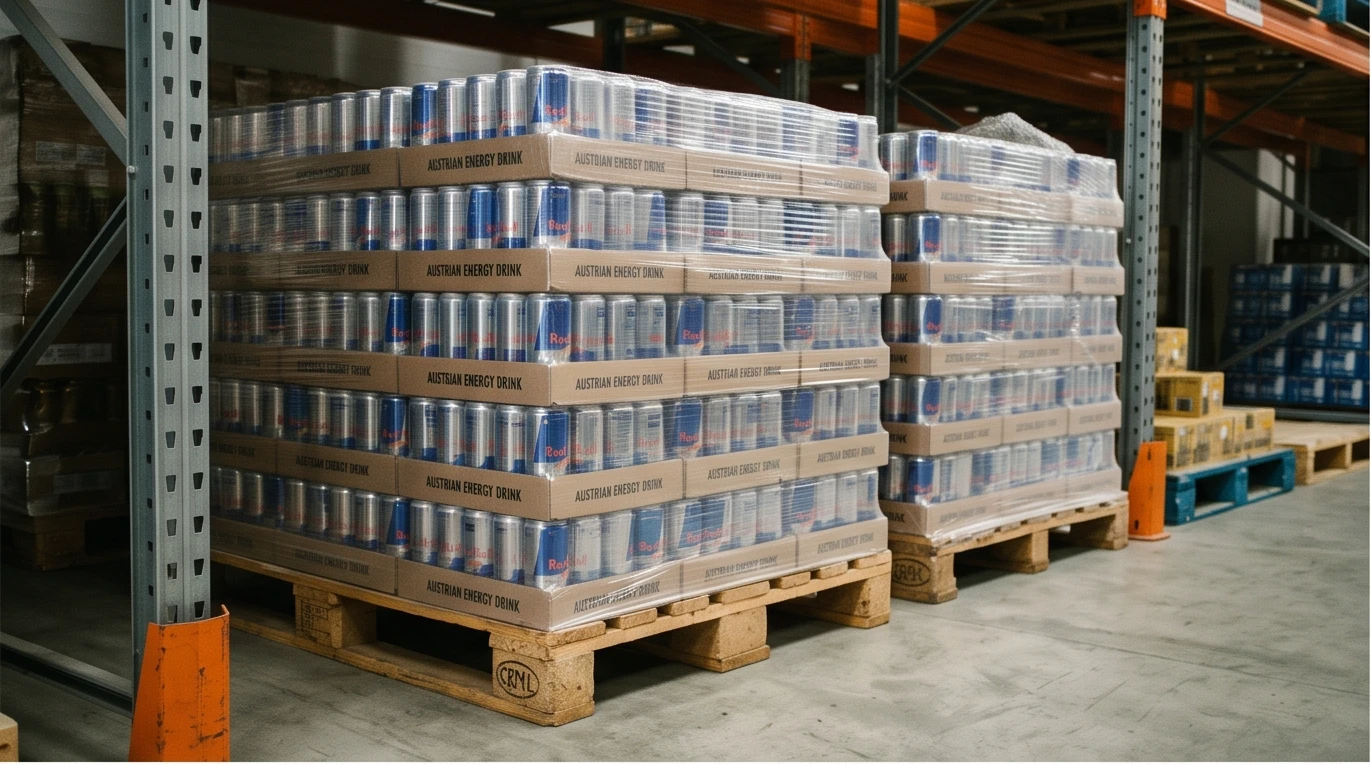
Importing Austrian Energy Drinks to Saudi Arabia: SFDA & Excise Tax Guide
Navigate the complex landscape of SFDA compliance, 100% excise taxes, and mandatory Arabic warning labels when importing energy drinks like Red Bull from Austria.

Table of Contents
Austria is the global epicenter for premium energy drink manufacturing. However, importing wholesale energy drinks from Austria into Saudi Arabia involves navigating one of the most heavily regulated commodity landscapes in the Middle East.
This guide outlines the exact compliance hurdles you must clear—specifically focusing on the massive Saudi excise tax, SFDA registration, and strict labeling mandates—to ensure your energy drinks pass through ZATCA clearance without delays.
1. The 100% Excise Tax (Selective Tax)
The most critical factor in importing energy drinks to Saudi Arabia is the Excise Tax (also known as the Selective Tax), administered by ZATCA (Zakat, Tax and Customs Authority).
Unlike standard food commodities which may carry a 0% to 5% tariff, energy drinks face a punitive 100% excise tax.
How the Tax is Calculated
The 100% tax is levied on the higher of two values:
- The Retail Selling Price (RSP).
- The ZATCA standard declared value for the brand.
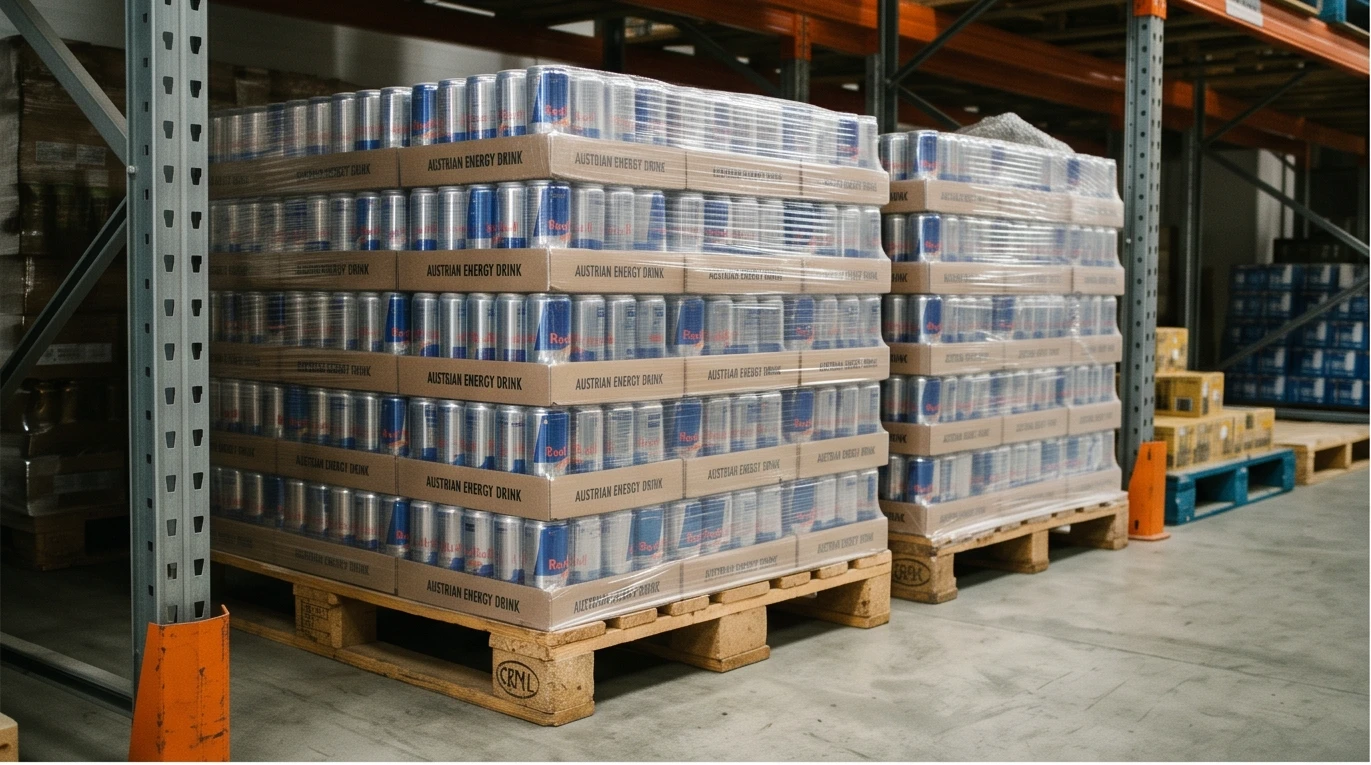
Crucial B2B Note: As an importer, you must be registered in the ZATCA Excise Tax system before the shipment arrives. The tax must be paid at the port of entry; otherwise, Fasah clearance will be rejected and demurrage charges will accrue immediately.
2. SFDA Formulation and Registration Limits
The Saudi Food and Drug Authority (SFDA) heavily regulates the formulation of energy drinks. Austrian manufacturers must adapt their global formulas to meet specific GCC (Gulf Cooperation Council) limits.
Your Austrian supplier’s Certificate of Analysis (CoA) must prove the product stays under these maximum limits:
- Caffeine: 32 mg / 100 ml
- Taurine: 400 mg / 100 ml
- Inositol: 20 mg / 100 ml
- Glucuronolactone: 240 mg / 100 ml
If any ingredient exceeds these thresholds, the SFDA will outright reject the product registration.
3. Mandatory Warning Labels and Arabic Packaging
The SFDA requires highly visible health warnings on all energy drinks. Importing Austrian stock with standard European packaging is an immediate violation.
The Warning Label Mandate
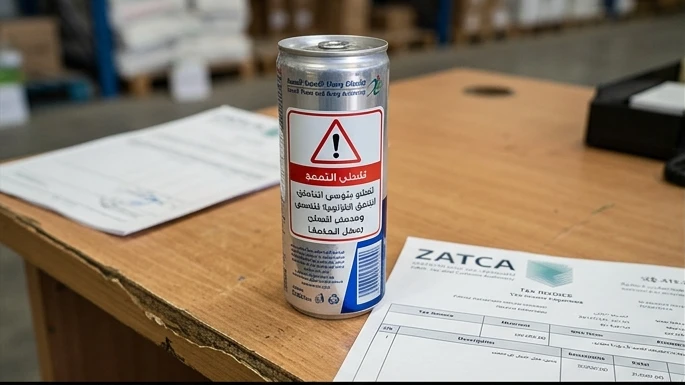
The front face of the can must prominently display the following warnings in clear Arabic text (and optionally English), enclosed in a distinct border:
- “Not recommended for pregnant or nursing women, children under 16, people allergic to caffeine, and those suffering from heart diseases or athletes during exercise.”
Nutritional Facts and Halal Compliance
- Traffic Light System: Saudi Arabia strongly recommends the “Traffic Light” nutritional labeling system on the front of the packaging.
- Halal Certification: While energy drinks are generally synthetic or plant-based, any flavors or colorings (such as E-numbers) must be certified Halal by an SFDA-approved Islamic body to guarantee zero alcohol or haram animal derivatives in the extraction process.
4. Bridging SABER and Fasah
Like all food products, energy drinks require integration with the SASO SABER platform.
- PCoC: Upload your SFDA product registration and Austrian health certificates to SABER to generate the Product Certificate of Conformity.
- ZATCA Clearance: 48 hours before your vessel arrives in Jeddah or Dammam, link your SABER SCoC and commercial invoices in the ZATCA Fasah portal.
Secure Your Wholesale Supply Chain
Importing energy drinks requires significant upfront capital due to the 100% excise tax. Delays caused by improper documentation can wipe out your margins entirely.
At GB Trading, we manage the sourcing, compliance, and logistics for premium beverages. If you are preparing to source B2B energy drinks, review our Austria to Saudi Arabia Energy Drinks Route for live logistical insights and support.