
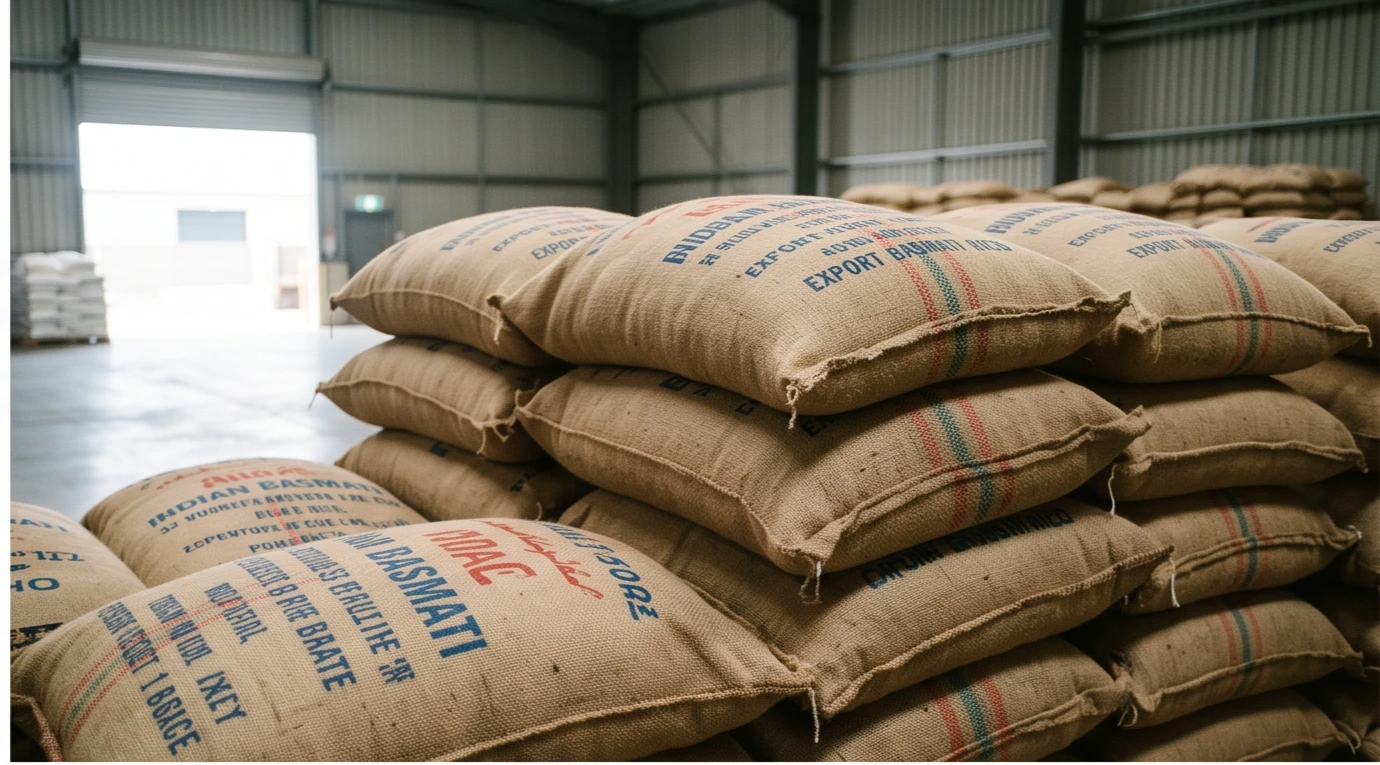
Importing Indian Basmati Rice to Saudi Arabia: SABER & APEDA Compliance Guide
Understand the strict technical regulations for importing Indian Basmati rice into Saudi Arabia, from APEDA's RCAC registration to SABER's PCoC issuance.

Table of Contents
India is the primary global supplier of Basmati rice to the Middle East, with Saudi Arabia representing its largest and most lucrative export destination. However, the B2B rice trade between India and Saudi Arabia is governed by strict, interwoven technical regulations enforced by both countries.
To successfully clear a commercial shipment of Indian Basmati rice through Saudi customs (ZATCA), wholesale buyers must ensure that Indian origin documents perfectly match Saudi destination requirements.
This guide details the exact compliance pathway from India’s APEDA to Saudi Arabia’s SABER.
1. Indian Origin Compliance: The APEDA RCAC
Before Indian rice can even leave the port of Kandla or Mundra, the Indian supplier must secure authorization from APEDA (Agricultural and Processed Food Products Export Development Authority).
The Registration-cum-Allocation Certificate (RCAC)
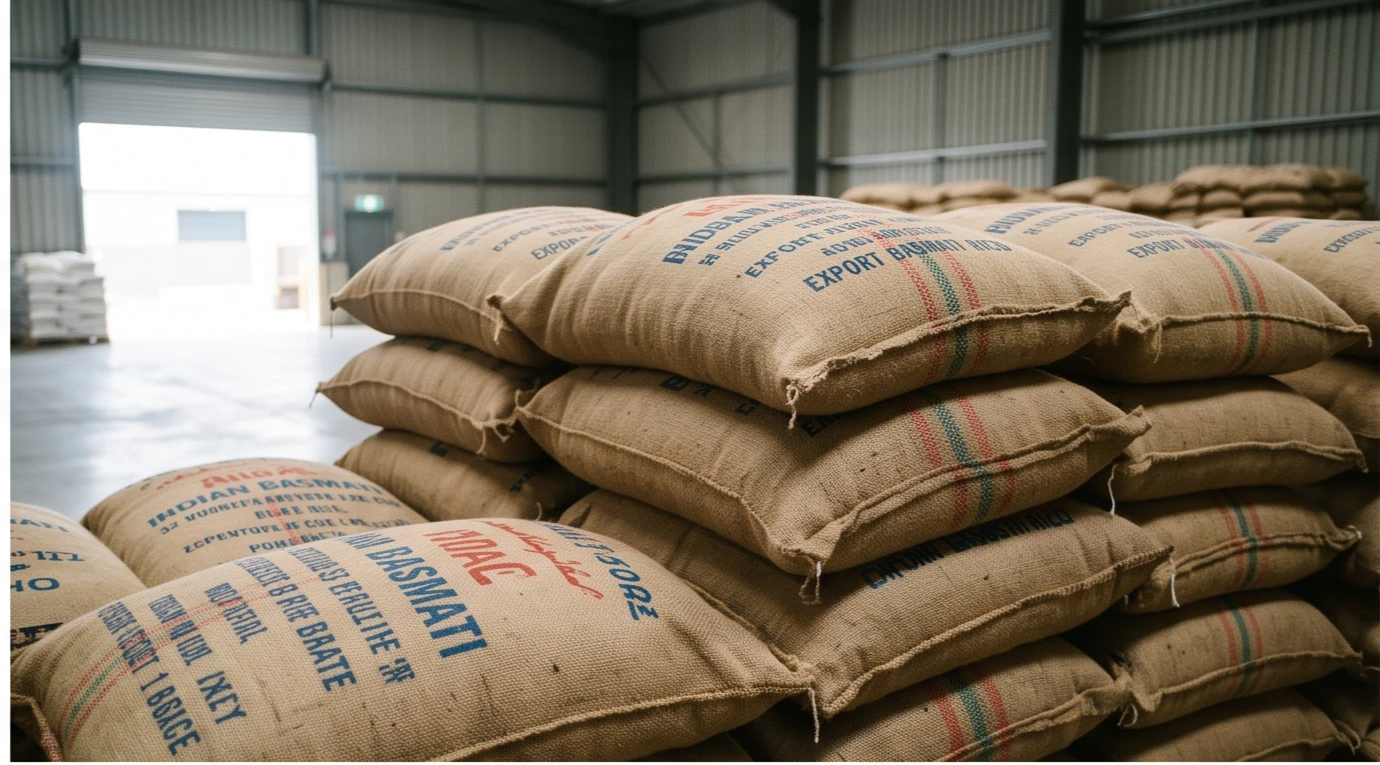
For Basmati rice specifically, the Indian government requires the exporter to obtain an RCAC. This certificate proves the rice meets India’s minimum export price (MEP) requirements and ensures authentic Basmati traceability.
2. Saudi Destination Compliance: Phytosanitary and SABER
Once the RCAC is secured, the exporter must obtain the necessary health and conformity certificates to pass Saudi port inspections.
Phytosanitary Certificate
A valid Phytosanitary Certificate issued by the Indian Ministry of Agriculture is mandatory. It must explicitly state the shipment is free from the Khapra beetle (Trogoderma granarium), which is heavily monitored in the GCC.
Generating the PCoC and SCoC
Rice is classified as a regulated food product. You must route your documentation through SABER:
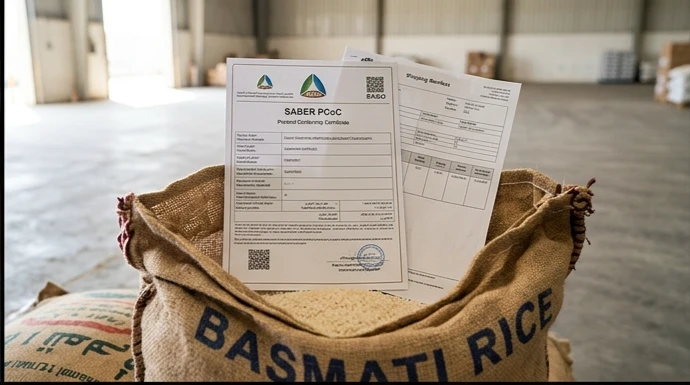
- Product Certificate of Conformity (PCoC): Upload your commercial invoice, APEDA certificates, and the Indian Phytosanitary Certificate to a SASO-approved certification body (such as SGS, Intertek, or TÜV) operating in India.
- Shipment Certificate of Conformity (SCoC): Once the PCoC is approved, you will generate the SCoC, which is directly linked to your specific shipping container numbers.
3. ZATCA Fasah Clearance
The final hurdle is customs clearance upon arrival at the Islamic Port of Jeddah or King Abdulaziz Port in Dammam.
Saudi Arabia has integrated its customs procedures through the Fasah digital portal. To prevent demurrage (storage fees), you must initiate clearance 48 hours before the vessel arrives by linking your SABER SCoC directly to your ZATCA customs declaration in Fasah.
Palletization Mandate
Ensure your Indian supplier ships the rice on standard, fumigated pallets (ISPM-15 compliant). As of recent ZATCA mandates, non-palletized break-bulk cargo will face severe inspection delays and potential rejection.
Securing Your Rice Supply Chain
Importing Basmati rice from India to Saudi Arabia requires absolute precision in documentation. A single mismatch between the APEDA RCAC and the SABER SCoC can lead to costly port delays.
At GB Trading, we simplify this complex corridor. If you are sourcing commercial volumes of Basmati or Sella rice, explore our live India to Saudi Arabia Rice Route for real-time logistics, supplier verification, and regulatory support.